Plant-pathogen interactions


In nature, plants live in dynamic and complex environments where they interact closely with a wide diversity of microorganisms. Within these microbial communities, there are different plant-associated pathogens that can cause significant losses in agricultural crops. To defend themselves against these threats, plants possess a robust immune system that effectively protects them from most of their attackers. However, in some cases, pathogens manage to colonize their plant hosts because they develop clever mechanisms to suppress or evade immune perception and responses.
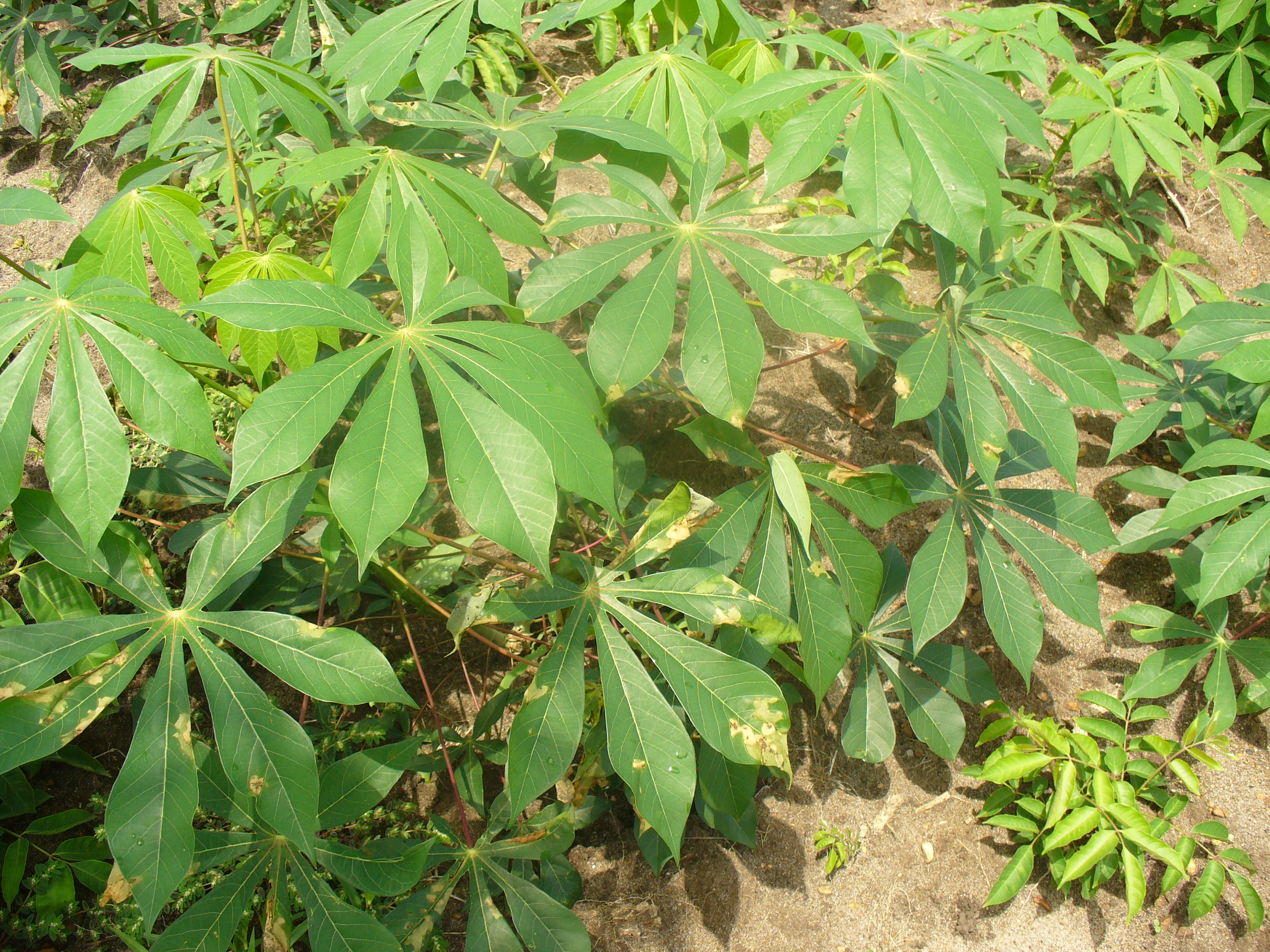
At LIMMA, we focus on understanding the molecular processes that govern plant-pathogen interactions. To this end, we concentrate our efforts on identifying genetic factors that may be utilized by the pathogen to benefit its growth and reproduction (susceptibility genes), as well as the pathogen weapons that manipulate them. These research objectives are achieved through the use of different classical pathosystems (e.g., Arabidopsis-Pseudomonas) or those of agricultural interest (e.g., cassava-Xanthomonas, Fusarium-solanaceous plants), in combination with modern techniques and methods in plant pathology, microbiology, molecular biology, genomics, and bioinformatics.
Phytopathogen effectors
Plants and pathogens are engaged in a constant struggle between mutually competitive attack and defense mechanisms, creating a dynamic akin to a coevolutionary arms race. In this scenario, for a pathogen to successfully infect its plant host, it must complete a series of complex steps, which include evading pre-existing and inducible defensive responses. To achieve this, some microorganisms possess an extensive repertoire of effectors, virulence molecules that are released to the exterior or interior of plant cells, and can modify the structure, metabolism, or physiology of the plants.
Within the context of plant immunity, effectors interact with elements of the plant's defense system for the purpose of suppressing, attenuating, or evading its responses. An example is the effector proteins of the type 3 secretion system (TSS3) of the pathogenic bacterium Xanthomonas phaseoli pv. manihotis (Xpm), the causative agent of bacterial cassava blight. To colonize its host, Xpm uses the effectors Xops (Xanthomonas Outer Proteins) and TALEs (Transcription Activator-Like Effector) to promote the pathogenicity and virulence of the pathogen. At LIMMA, we investigate the molecular dynamics that govern plant-pathogen interactions using bioinformatic approaches, analysis of protein-protein interactions (such as the dual yeast hybrid system, co-immunoprecipitation, or bimolecular fluorescence complementation), and functional experiments using heterologous expression systems.
Molecular genetics of plant bacteria
In addition to the type III secretion system, plant pathogenic bacteria employ a variety of strategies to survive and colonize their hosts. These include the production of pigments and exopolysaccharides that protect against physicochemical stresses, as well as alternative secretion systems and their effector molecules. At LIMMA, we investigate these mechanisms using genetic approaches and omics-based modeling technologies to better understand their roles in pathogen survival and plant virulence.

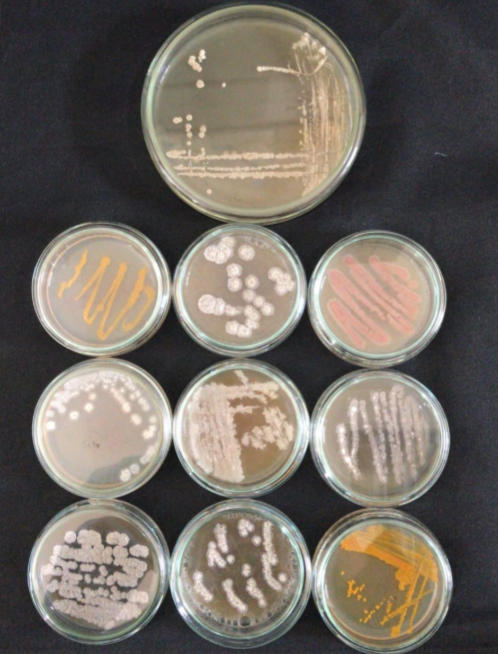
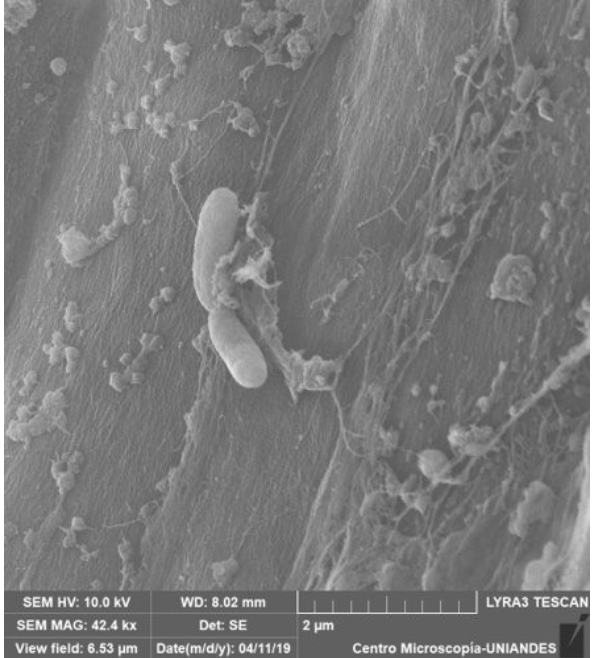

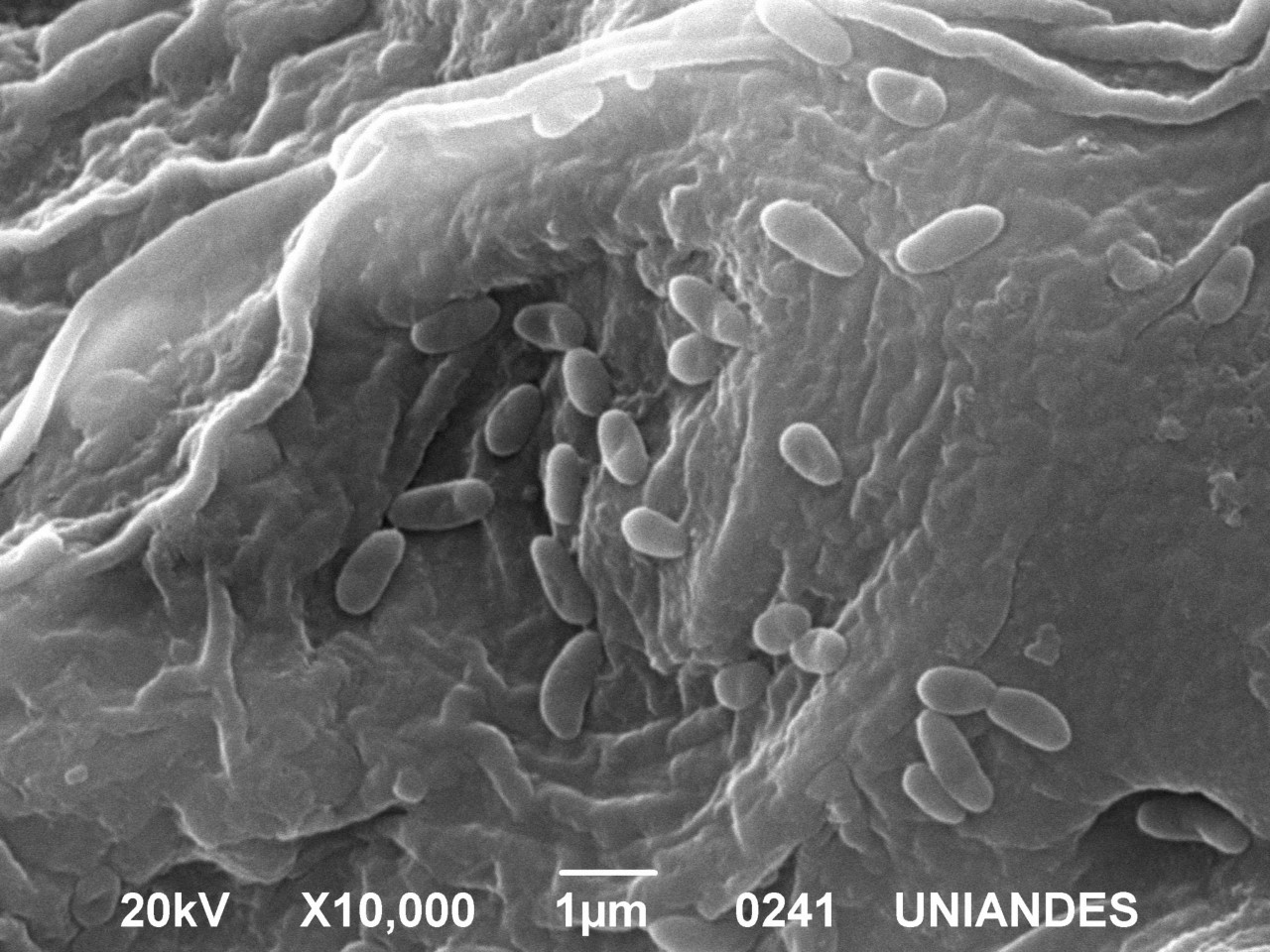
Not all microorganisms associated to plants are pathogenic. Many of them play crucial roles in supporting plant health. Some promote growth by supplying essential nutrients, while others protect against disease or help plants withstand drastic environmental changes. These beneficial microbes inhabit diverse niches, including the soil surrounding roots, the rhizosphere, and even the plant interior. Among them are bacteria such as Bacillus, Pseudomonas, Azospirillum, and Streptomyces, which enhance the availability of key nutrients like phosphorus, iron, and nitrogen, making them fundamental contributors to plant development.
At LIMMA, we seek to discover these microorganisms in Colombian soils and crops. We also aim to unravel the diverse mechanisms through which microorganisms assist plants. To this end, we combine classical microbiology approaches that explore bacterial metabolis, with advanced molecular techniques that reveal the complexity of plant–microbe interactions. Ultimately, our goal is to harness this knowledge to strengthen local agricultural production in the face of global climate change.
Plant and Soil Microbiomes
The plant microbiome, or phytomicrobiome, encompasses the community of microorganisms that live in direct association with plants or their immediate environment. Depending on their interaction with the host, these microbes may function as beneficial partners, commensals, or pathogens. They influence plant health through diverse mechanisms such as phytohormone production, phosphate solubilization, activation of immune responses, and antagonism against pathogens.
In our laboratory, we employ metabarcoding to characterize the microbial diversity associated with native crops under different environmental and biotic conditions. We also investigate how soil microbial communities shift under diverse cultivation strategies, with a particular focus on identifying the microbiome signatures that define healthy soils across Colombia.
Bioprospecting of beneficial microorganisms
One of the key factors influencing agricultural productivity is the use of fertilizers to boost yields and meet the demands of a growing population. However, the indiscriminate application of fertilizers and other agrochemicals has led to serious environmental challenges, including nutrient leaching and ecosystem contamination. As a sustainable alternative, research on agricultural bioproducts has gained increasing relevance.
The most studied mechanisms that microbes use to enhance crop production include atmospheric nitrogen fixation, phosphate solubilization, production of antimicrobial compounds, and phytohormone synthesis. At LIMMA, we have characterized multiple bacterial strains with biofertilizer potential using biochemical assays, in vitro tests, greenhouse and field trials.